Cleanrooms in Hospitals: A Critical Element in Modern Healthcare
The modern industrial world operates under increasingly stringent demands for quality, safety, and precision. One of the key tools for ensuring cleanliness, sterility, and environmental control in advanced manufacturing is the use of cleanrooms. In hospitals, these rooms play a crucial role in patient safety, infection prevention, and optimal conditions for delicate medical procedures.
Although most of the public is unaware of their presence, cleanrooms are essential behind the scenes of many clinical and laboratory processes.
What Is a Cleanroom?
A cleanroom is a specially designed space that minimizes the presence of particles and contaminants.
Its purpose is to enable work in an environment that far exceeds the cleanliness of standard hospital areas.
Cleanliness levels are defined by international standards, classifying rooms based on the number of particles allowed per unit of air volume.
In hospitals, the need for extreme sterility stems from the need to protect vulnerable patients and ensure the accuracy and success of medical and research procedures.
Key Uses of Cleanrooms in Healthcare
1. Sterile Operating Rooms
Operating theaters are a clear example of cleanrooms. Every surgical procedure requires a sterile workspace, as the presence of even a single bacterium or airborne particle can lead to severe infections and endanger the patient’s life.
2. Neonatal Intensive Care Units (NICUs)
Premature infants have underdeveloped immune systems. NICUs are therefore designed as clean and controlled environments with advanced air filtration and high sterility levels.
3. Sterile Drug Compounding Labs
Many hospitals include sterile compounding pharmacies where IV solutions, antibiotics, or chemotherapy drugs are prepared. These rooms must meet strict cleanliness criteria to avoid contamination.
4. Medical Research Laboratories
Cleanrooms are also used in hospital-affiliated research centers, especially for experimental treatments, vaccine development, and stem cell work.
5. Transplant Units
Patients undergoing transplants (e.g., bone marrow transplants) are often kept in cleanroom environments to prevent infection during periods of extreme immunosuppression.
Main Components of a Hospital Cleanroom
-
Air Filtration (HEPA or ULPA) – removes microscopic particles from the air
-
Environmental Control – maintains constant temperature and humidity
-
Pressure Control – creates positive or negative pressure to prevent cross-contamination
-
Entry Systems – double-door access, airlocks, and full sterile clothing for staff
-
Dust-Repellent Surfaces – walls, floors, and furniture made from smooth, easy-to-clean materials
Strict Protocols for Operation
One of the greatest challenges in cleanroom environments is maintaining optimal conditions.
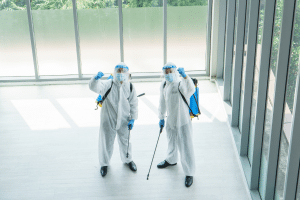
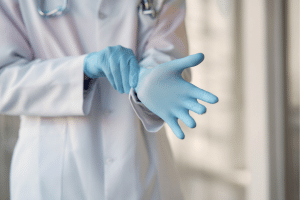
Anyone entering must wear full protective gear, including a sterile suit, mask, gloves, and sometimes eye protection.
All equipment must be disinfected before entry, and periodic cleanliness and particle testing are required.
Even routine actions — like opening a door or walking across the room — can spike particle levels. For this reason, all movements are carried out according to strict protocols.
Health Impact
Cleanrooms are not just a technical requirement — they have direct implications for patient safety.
Hospital-acquired infections are a major cause of illness and even death, and cleanrooms are a first line of defense against them.
Conclusion
Cleanrooms in hospitals are a critical infrastructure for medical safety, sterile procedures, and protection of high-risk patients.
Through precise engineering, environmental monitoring, and strict adherence to protocols, hospitals can maintain sterile workspaces that enable modern, safe, and effective medicine.
As healthcare continues to advance and standards rise, the importance of cleanrooms will only increase.